







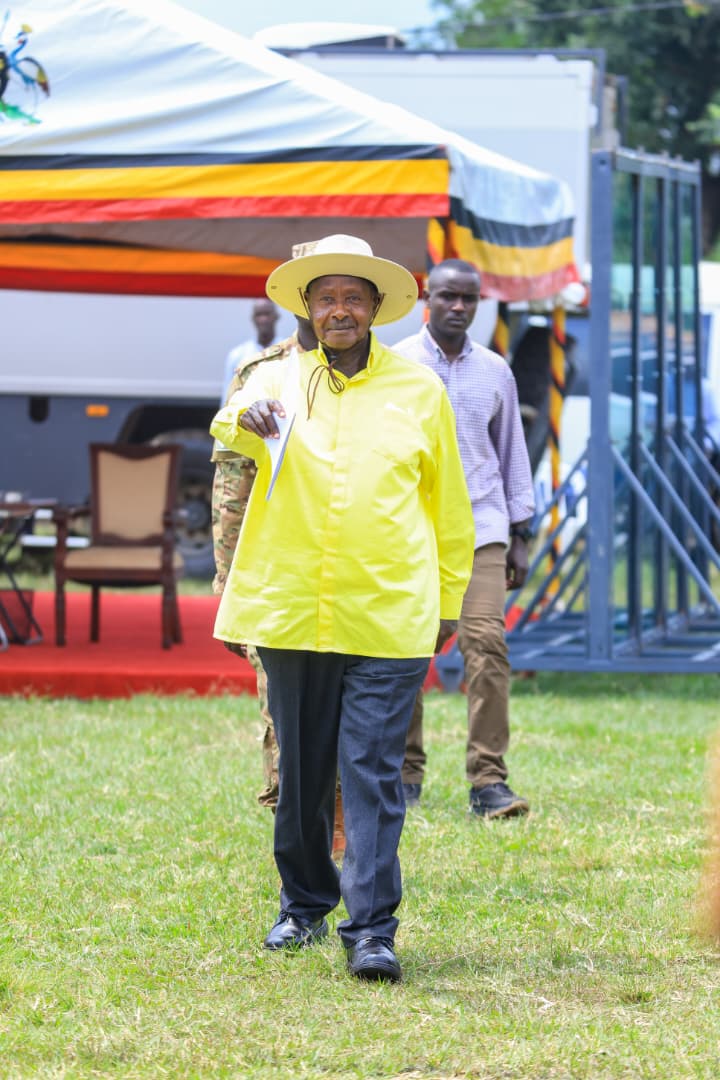
By Matata Mungu
Over the past four decades, Uganda has transformed in staggering ways — and largely for the better.
The country today records fewer deaths per capita, enjoys greater security, has broader access to education, a stronger economy, lower inflation, and a visibly growing middle class made up of young Ugandans engaged in private enterprise.
Yet these achievements are easy to take for granted.
The median Ugandan was born and raised in this new Uganda, having never experienced the instability and hardship of the old one. As a result, some young Ugandans mistakenly believe their country has never been poorer or more poorly governed.
They compare Uganda to nations such as England, the United States, Canada, or Sweden — countries that are far older and have enjoyed centuries of uninterrupted development.
To put this in context, Uganda was born in 1962, making it just 63 years old. England, by contrast, dates back to 927 — 1,098 years ago. Sweden too has existed as a sovereign state for roughly a millennium. The United States is 249 years old, and Canada 158.

Comparing Uganda’s progress to such longstanding nations is unrealistic.
Moreover, Uganda’s short history has not been one of continuous development.
The country has endured at least nine major political conflicts since independence, including:The 1966 constitutional crisis and Buganda conflict;The 1971 coup when Idi Amin overthrew Obote;Amin’s regime of state terror (1971–1979);The 1978–1979 Uganda–Tanzania war;PostAmin power struggles between 1979 and 1980;The 1981–1986 NRA bush war;The 1985 military coup by Tito Okello;The 1987–2006 Lord’s Resistance Army insurgency; andThe 1987–1994 regional insurgencies in West Nile, Teso, and Karamoja.
Few countries have suffered these many internal and external conflicts in such a short span of time.
Evaluating President Museveni’s performance without acknowledging this difficult history is either dishonest or uninformed.
A legacy of stability and progress


President Museveni liberated Uganda from decades of failed leadership, restored peace, defeated insurgencies, and guided the country onto a path of reconstruction and economic recovery.
Global developments have also helped, but Uganda’s progress under his watch is undeniable. When Museveni came to power in the 1980s, the world was very different.
There was no internet, smartphones, social media, or instant digital transactions. Medical and technological advances such as robotic surgeries, telemedicine, and artificial intelligence were unheard of. Yet Uganda has adapted and modernized alongside global progress—something not all countries have managed to do.
It is therefore misleading to downplay Uganda’s achievements. Around the world, some nations have actually regressed during the same period.
Uganda’s journey, though imperfect, stands out as one of steady improvement and resilience.
Freedom and opportunity
Under Museveni, Uganda has become an island of peace, security, and freedom—freedom of speech, worship, association, and the press.
The environment he fostered allows free expression and political ambition across all classes.
Today, even pop stars and school dropouts can aspire to become presidents, members of parliament, or mayors. That openness is a mark of true democracy.
As Abraham Lincoln once said, “You can fool some of the people all of the time, and all of the people some of the time, but you cannot fool all of the people all of the time.”
Most Ugandans understand their country’s journey. Those who witnessed the old Uganda can clearly see how far it has come. The few who deny this progress often do so out of dishonesty rather than ignorance.
An educated and informed electorate
Today’s Ugandan voter is more educated and informed than ever before. While most voters are under 40, six in every ten have completed at least primary school.
In 1986, only four in ten Ugandans had ever entered a classroom; before the introduction of free basic education, six in ten never did. Museveni’s policies have changed that reality.
The same applies to healthcare: before mass immunization, 130 out of every 1,000 children died before age five. That number now stands at less than 33.
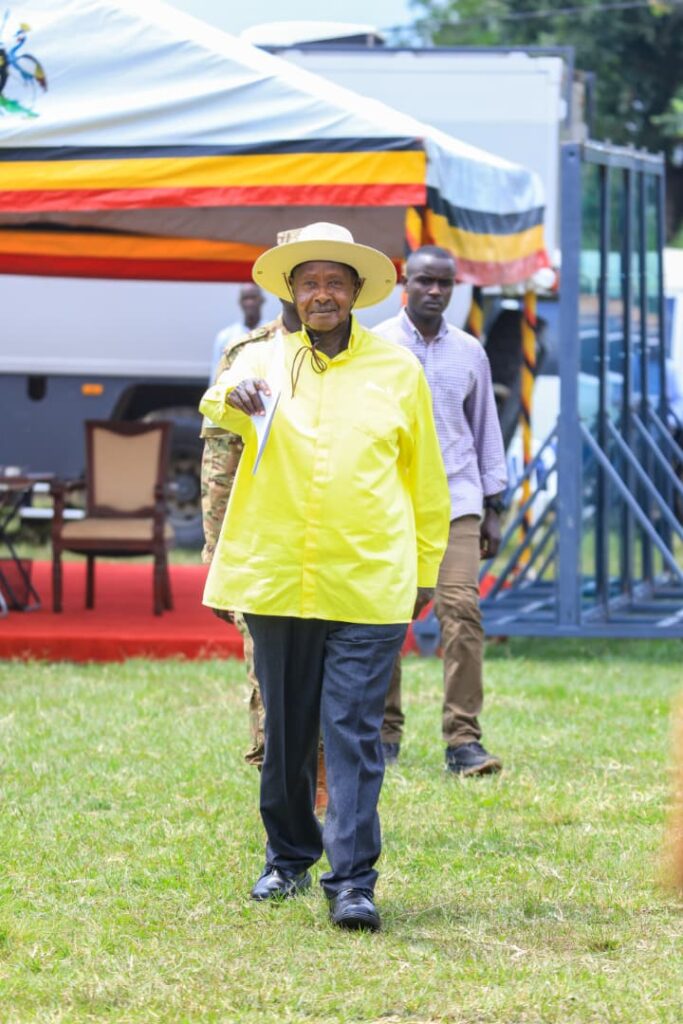
Overall, Uganda’s mortality rate has dropped from 17 deaths per 1,000 people in the 1980s to fewer than 6 today — meaning Museveni’s leadership has saved the lives of about 11 Ugandans per 1,000 each year.
These tangible improvements are not lost on the electorate.
Ugandans—young and old alike—know that the gains in peace, education, health, and opportunity must be protected.
Conclusion
As Ugandans head to the polls on 15 January, most will vote not out of blind loyalty, but out of clear understanding of what stability, security, and progress mean for their future.
The evidence speaks for itself: Museveni’s leadership ushered in the longest period of peace and sustained development in Uganda’s history.
For that reason, it is not surprising that President Yoweri Museveni is poised to win once again—because Ugandans, informed by both history and experience, know what is at stake.
Wishing everyone a peaceful and democratic election.