



The Uganda Communications Commission (UCC) has announced the immediate restoration of public internet access across the country, following the successful conclusion of the 2026 General Elections.
The move comes after nearly a week of restricted connectivity, which had been imposed as part of measures to safeguard the electoral process.
The decision, UCC says, was made after careful consultation by the Inter-Agency Security Committee and is aimed at balancing national security concerns with citizens’ need for access to information, communication, and economic activities.
The suspension of public internet access was first implemented on January 13, two days before the elections, when UCC Director Nyombi Thembo instructed mobile network operators and internet service providers to halt public internet, block outbound data roaming to One Network Area countries, and suspend the sale and registration of new SIM cards.
The restrictions primarily affected cyber cafés, public Wi-Fi hotspots, and other shared access points. UCC said the brief suspension was necessary to protect national security, prevent the spread of misinformation, and maintain public order during the sensitive election period.


Social media platforms and messaging services, including Over-The-Top (OTT) applications, remain temporarily restricted to prevent misuse that could threaten public stability.
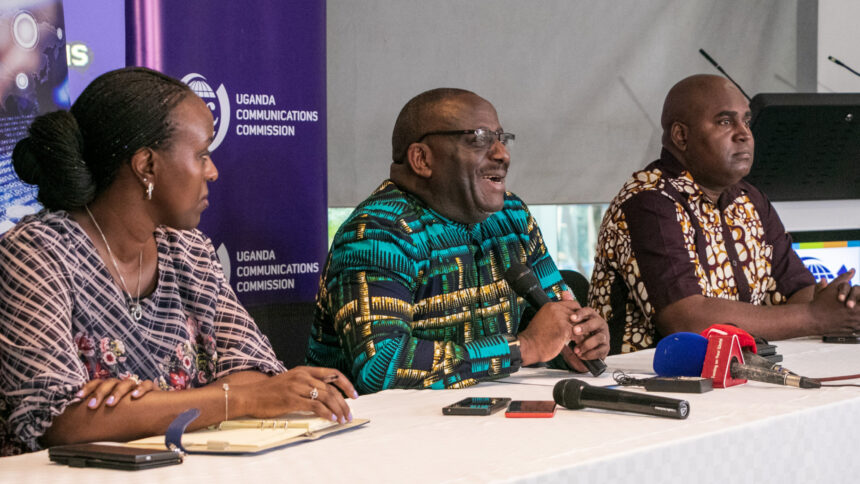
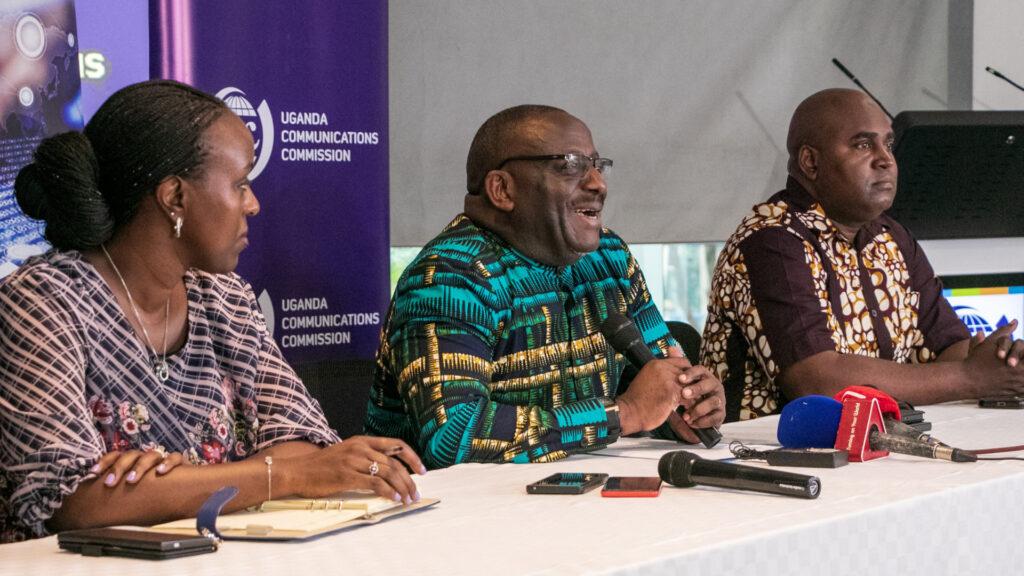
Speaking at a press briefing, UCC Executive Director Nyombi Thembo emphasized that the restoration would be carried out in phases. He highlighted the importance of internet access for essential services, including web browsing, government portals, educational resources, financial services, and email.
“We recognize the importance of internet access in driving business, education, and personal communication. Now that public internet access is back, we urge every Ugandan to use this access responsibly. The internet is a powerful tool for development and must be used to build, not to destroy,” said Thembo.
He also stressed responsible digital behavior, warning against sharing unverified information, hate speech, or content that could incite violence.
“Any attempt to use the restored internet to organize or incite disorder or spread falsehoods will be met with strict action. Security agencies remain vigilant, and the Commission will continue to collaborate closely with them to ensure that digital spaces are not used to disrupt public peace,” Thembo added.
The UCC expressed appreciation to mobile network operators, internet service providers, and the public for their cooperation and patience during the suspension, urging Ugandans to embrace the restored connectivity with maturity.
The internet blackout coincided with the 2026 elections, affecting businesses that rely heavily on digital platforms to reach customers. Despite these challenges, incumbent President Yoweri Kaguta Museveni was declared the winner of the elections.
Internet access is gradually improving, though social media platforms remain restricted, and many Ugandans continue to rely on VPNs to bypass the limitations.
“The restoration of public internet is an important step in Uganda’s continued development. The Uganda Communications Commission is committed to fostering a safe, open, and inclusive digital environment that serves the best interests of all Ugandans,” Thembo concluded.
On January 13, 2026, UCC directs mobile network operators and ISPs to suspend public internet access, block outbound data roaming, and halt new SIM card registrations, two days before elections.
The Presidential and Parliamentary elections on January 15, 2026, were conducted amid a restricted internet environment.
In the morning of January 18, 2026, some Ugandans found that the internet had partially been restored, though it was not allowing some social media sites. Late evening, UCC announced phased restoration of public internet access, while social media and messaging platforms remain temporarily restricted.