







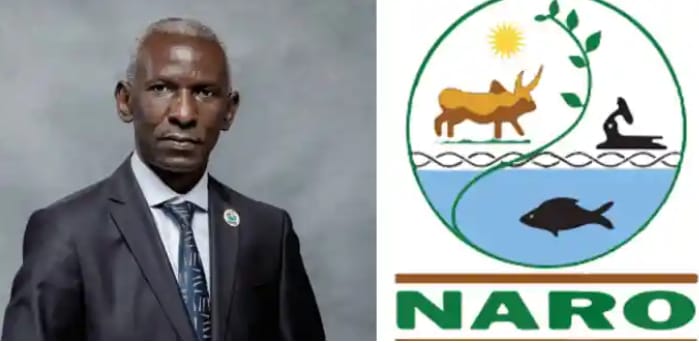
A fresh report by the Auditor General, Edward Akol, has exposed financial concerns at the Uganda agricultural research body, National Agricultural Research Organisation (NARO).
The report for the financial year ending June 2025 was formally handed over to the Speaker of Parliament, Rt. Hon. Anita Among and highlights financial management concerns, delayed projects, and operational gaps within the Entebbe-based institution.
According to the audit seen by our reporter, NARO began the 2024/2025 financial year with domestic arrears amounting to shs4.12 billion.
Only a small fraction of this was cleared, leaving the bulk outstanding.
Related News


The institution is also grappling with a significant staffing shortfall. Out of 1,242 approved positions, only 769 were filled — creating a vacancy rate of nearly 38 percent. This shortage has reportedly affected operations at research stations and laboratories across the country.
The audit further points to procurement and implementation challenges. Several contracts exceeded their original timelines and budgets, while some projects were delayed for months beyond schedule.
Assets worth billions of shillings were found either idle or underutilized.



In addition, equipment remained non-functional due to lack of servicing, and some infrastructure was deteriorating because of delayed maintenance.
Concerns were also raised over asset management. A number of land parcels remain untitled, others are facing encroachment or legal disputes, and some recently acquired assets had not been recorded in the official register at the time of the audit.
The report notes that implementation of activities under the National Development Plan II faced funding gaps. An end-of-term review had not been completed in time to inform the next strategic cycle.
On revenue performance, NARO collected 85 percent of its projected non-tax revenue. While the institution received and spent substantial budgetary allocations during the year, the audit indicates that only a small portion of assessed outputs were fully implemented, with several either partially delivered or not implemented at all.


Particular attention has also focused on the delayed operationalization of the anti-tick vaccine production facility — a project that has drawn national interest.
President Yoweri Museveni has repeatedly emphasized the importance of local vaccine production to strengthen Uganda’s livestock sector.
However, the audit indicates that by the time of review, the vaccine production facility had not yet commenced operations.
Consultants hired to support the facility had reportedly not been paid by the time of the audit, and production had not begun.
Historical Allegations Resurface
The report also comes amid lingering questions stemming from earlier whistleblower claims regarding the management of funds allocated for vaccine research several years ago. Although these allegations predate the current leadership, they have renewed debate about governance and accountability within the institution.
NARO is currently led by Director General Yona Baguma, whose contract is set to expire next year.

Insiders indicate that discussions about succession have already begun within the organization.
Observers remain divided on whether the current leadership is solely responsible for the challenges highlighted in the audit, or whether the institution is grappling with long-standing systemic issues.
What is clear is that the Auditor General’s findings have intensified public attention on NARO at a time when expectations for scientific innovation in agriculture remain high. The coming months are likely to shape both the institution’s leadership and its ability to deliver on critical national priorities, including the long-awaited anti-tick vaccine.