






For many Sudanese at home and in exile, the war is no longer confined to battlefields in Khartoum, Darfur or Kordofan. It is unfolding on television screens, across digital platforms, and in the framing of headlines.
In recent months, coverage of Sudan’s conflict by major regional networks — including Al Jazeera, Al Arabiya and Al Hadath — has come under increasing scrutiny from Sudanese audiences. Viewers say they are paying close attention not only to what is reported, but how it is reported: tone, language, emphasis and omissions.
The central question raised in Sudanese civic discussions is whether the conflict is being portrayed comprehensively — or filtered through broader regional rivalries.
Media Framing and Public Trust


One recurring concern among Sudanese observers involves how battlefield developments are characterized. Some audiences argue that limited territorial gains are occasionally framed as major breakthroughs, accompanied by extended studio analysis and assertive projections, while other developments receive comparatively brief treatment.
Media analysts note that such variations in framing may reflect editorial priorities, access to sources or geopolitical context. However, in a deeply polarized conflict, perception matters. When audiences repeatedly sense imbalance — whether intentional or structural — trust in media institutions can erode.



Sudanese civilians, already coping with displacement, economic collapse and insecurity, are particularly sensitive to narratives that appear to amplify military triumphs while minimizing humanitarian suffering.
Communications scholars emphasize that balanced reporting in wartime does not mean presenting all sides as equally credible, but rather maintaining consistency, proportionality and transparency.
Regional Influence and the Question of Sovereignty
The debate over coverage intersects with broader concerns about regional involvement in Sudan’s conflict. Allegations of foreign military technology — particularly drones — being used in the war have fueled fears that Sudan has become an arena for competing external interests.



Though details surrounding specific deployments remain contested and require independent verification, the perception of external entanglement has grown stronger. For many Sudanese citizens, sovereignty is no longer an abstract political principle but a lived question tied directly to safety and survival.
General Abdel Fattah al-Burhan, head of the Sudanese Armed Forces, faces criticism from various quarters over alliances and strategic decisions that some believe have deepened Sudan’s geopolitical exposure. Supporters argue that military partnerships are necessary in a complex security environment, while critics say such arrangements risk further internationalizing the conflict.
The resulting tension reflects a broader crisis of confidence between segments of the population and political leadership.

Refugees and Regional Fallout
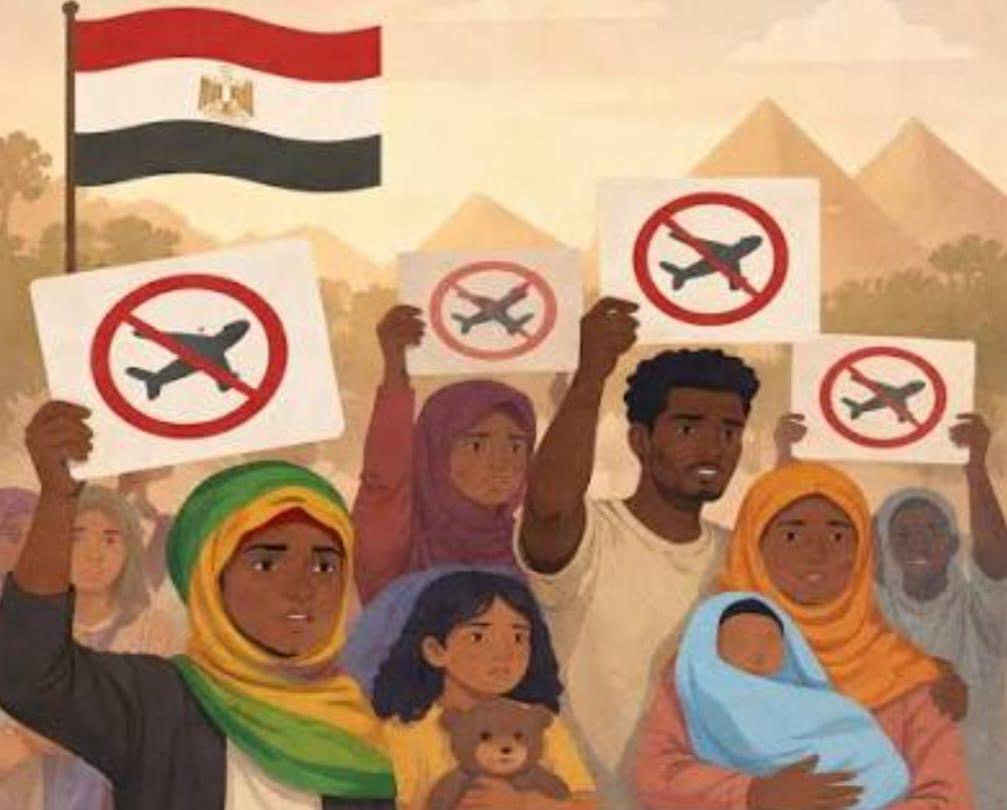
Beyond Sudan’s borders, refugees continue to face uncertainty. Reports of alleged mistreatment of Sudanese refugees abroad — including a controversial incident involving a pregnant woman in Cairo that has circulated widely on social media — have heightened anxiety within diaspora communities.
Authorities have yet to provide full public clarification in some cases, and calls for transparent investigations have grown louder. For displaced families, each reported tragedy becomes symbolic of a larger vulnerability: the sense of being unprotected both at home and abroad.
Diplomatic language describing situations as “stable” or “under control” can feel disconnected from lived experience, particularly for refugees navigating detention fears, economic hardship or legal uncertainty.
Attacks on Civilian Areas and Humanitarian Alarm
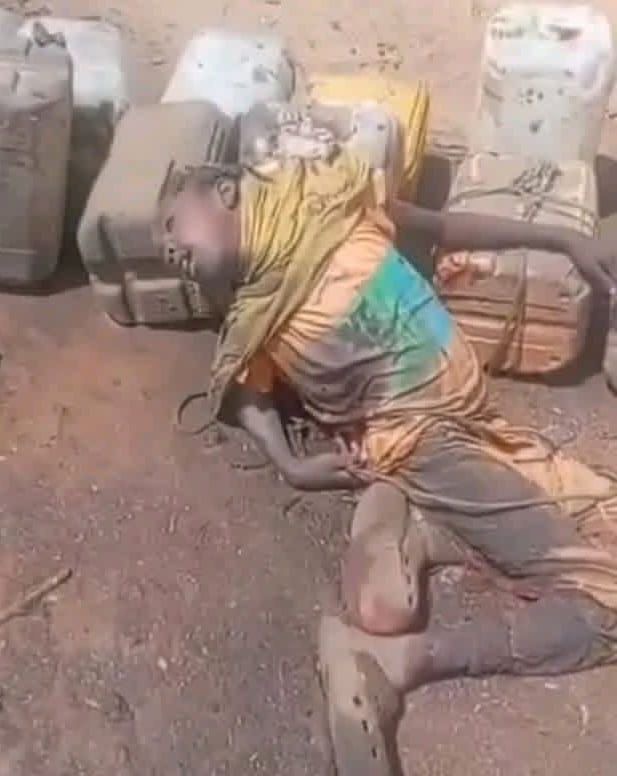
Meanwhile, reports of aerial bombardments in areas such as Umm Rasum and Al-Sunut have intensified international concern. Witness accounts and preliminary humanitarian assessments indicate that civilians, including women and children, were among those affected in incidents involving strikes near water sources and displacement areas.
Independent verification remains ongoing in some cases, but human rights observers stress that essential civilian infrastructure — including water wells and gathering points — must be protected under international humanitarian law.
The reported use of drones has drawn particular attention, highlighting how modern warfare technologies can magnify risks to vulnerable populations.
The growing civilian toll has prompted renewed appeals to the United Nations and the International Criminal Court to monitor developments closely and ensure documentation of alleged violations.
A Battle Over Narrative — and Accountability
Sudan’s conflict is increasingly defined not only by military engagements, but by a struggle over narrative legitimacy. Media credibility, political accountability and civilian protection have become intertwined.
Frustration with perceived bias in international coverage has sparked debate inside Sudan about strengthening domestic journalism, investing in independent monitoring initiatives and fostering open, evidence-based critique rather than censorship.
Analysts warn that suppressing media voices would likely compound mistrust rather than resolve it. Instead, they argue, restoring confidence requires transparency — from governments, armed actors and news organizations alike.
As Ramadan began amid reports of violence in some regions, Sudanese communities voiced a shared plea: that sacred times and civilian spaces be spared from conflict.
The war’s outcome will ultimately depend not only on territorial control or diplomatic maneuvering, but on whether institutions — domestic and international — can protect civilians, uphold credible reporting, and preserve human dignity.
For many Sudanese, the immediate demand is clear: accountability for civilian harm, credible investigations into alleged abuses, and a media landscape that reflects the full weight of their reality — not just the shifting frontlines.