






As the world commemorated International Women’s Day on March 8, women involved in herbal medicine and traditional healing convened in Kampala for a special conference exploring the place of African culture and healing practices in contemporary society.
The Spiritual Women Conference, held at Theatre La Bonita, attracted participants from various professional and cultural backgrounds, including herbal practitioners, counsellors, entrepreneurs, cultural leaders and digital content creators. The event, organised by the Herbal Women’s Network Uganda under the leadership of Barongo Faith, ran from 3:00 p.m. to 10:00 p.m. and was held under the theme “Understanding the African Woman.”

The gathering created a platform for dialogue on issues affecting African women, with discussions centred on cultural identity, relationships, healing, and the evolving role of women in modern African communities.
Organisers described the event as one of the few forums in Uganda bringing together traditional healers, herbal medicine practitioners, cultural educators and professionals to openly discuss women’s issues while engaging directly with members of the public.



The Herbal Women’s Network Uganda aims to bring together women engaged in African herbal practice, counselling, traditional healing and cultural leadership. Through such platforms, the network seeks to encourage knowledge sharing, mentorship and responsible herbal practice within communities.
Speaking about the initiative, Barongo Faith said the conference was designed to open conversations around African herbal traditions, while also addressing the stigma often associated with traditional healing practices.


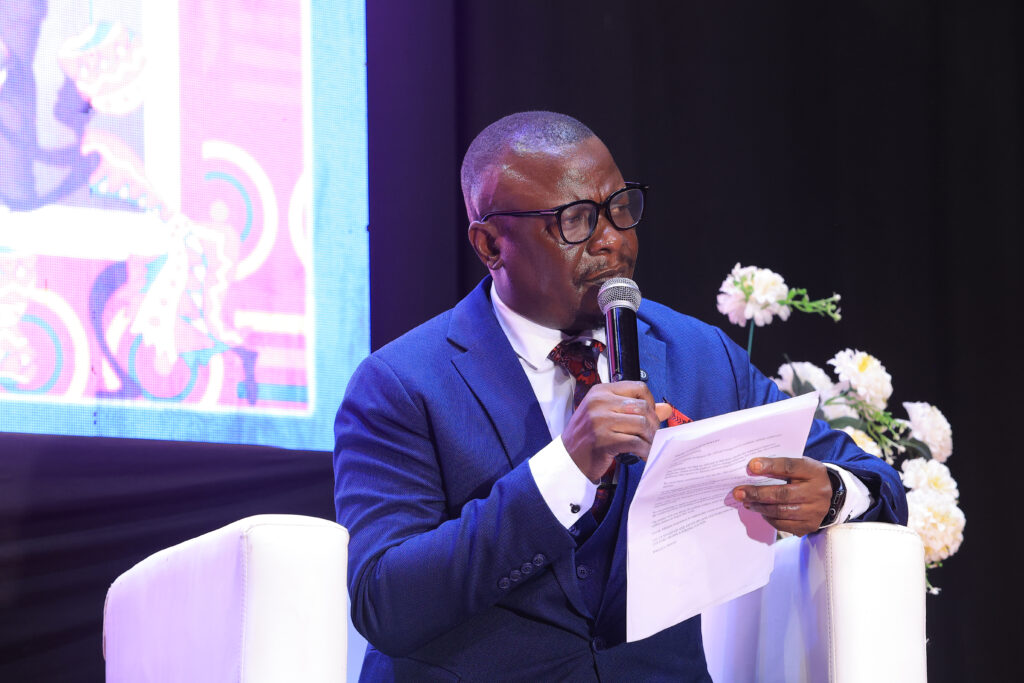
The conference featured several speakers drawn from both professional and cultural sectors.
Dr. Nalubula Juliet delivered a keynote presentation focusing on women’s health, emotional wellbeing and the importance of self-awareness for African women navigating modern society.

Traditional herbalist Kasozi Batuuka spoke about ancestral knowledge and the role traditional healers continue to play in guiding communities. Meanwhile, Kasiko Mutaasa highlighted the value of herbal medicine and stressed the need for discipline and professionalism in the practice, noting that traditional healing can also support entrepreneurship.
Nakajima Joan addressed the importance of preserving African cultural values in the digital era, encouraging women to use online platforms to promote positive cultural narratives.



Other contributors included Mwagale Najat, who explored women’s leadership and intuition within African traditions, and Nayiga Deborah, who discussed emotional healing and skills development as pathways to women’s empowerment.
Digital content creator Kumal also shared perspectives on how social media can be used to amplify African stories and cultural identity among younger audiences.

The event was hosted by social media personality Gloria Kebirungi, who moderated the discussions throughout the evening. Presenters Nankulu and Nassali facilitated the programme, while cultural educator Senga Nabukeera provided insights on family structures, relationships and responsibilities within African traditions.
One of the most engaging segments of the conference focused on relationships and marriage in modern African society. Speakers examined evolving expectations within relationships, cultural pressures on women, and the importance of emotional healing while balancing contemporary lifestyles with traditional values.

Participants also engaged in an interactive question-and-answer session with panelists, creating a lively exchange of perspectives and experiences.
Beyond the discussions, the conference served as a celebration of African womanhood, highlighting the resilience, leadership and cultural influence of women across communities.

Through storytelling and dialogue, speakers emphasized that understanding the African woman involves recognising her cultural heritage, the changes in her social roles, and the influence she continues to have within families and society.
Following the success of the inaugural gathering, organisers expressed optimism that the conference will grow into an annual platform for education, dialogue and cultural reflection around African herbal traditions and women’s empowerment