







KAMPALA — President Yoweri Kaguta Museveni has directed Prime Minister Robinah Nabbanja to expedite the process of operationalising the proposed new administrative units in Tororo, following a renewed parliamentary push that has placed governance, implementation and accountability at the centre of the debate.
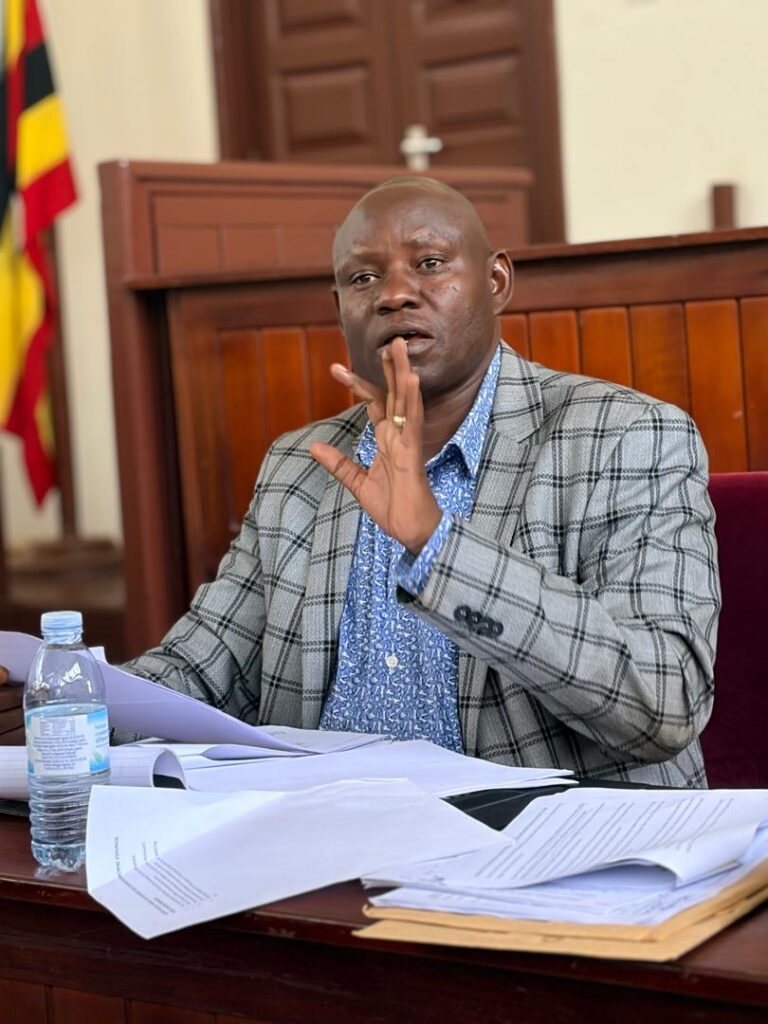
The President’s directive followed submissions on the floor of Parliament led by Tororo South County MP Fredrick Angura and Tororo North County MP Nicholas Simon Owino, who raised the long-standing Tororo administrative question and asked government to implement commitments previously made to residents.
What began as an intervention by the two legislators quickly gained broader support from other MPs from Tororo, transforming it into a collective parliamentary demand for government to resolve an issue that has featured in executive pronouncements, district consultations and parliamentary discussions for years.

The MPs argued that the question should no longer be about whether Tororo’s administrative structure should be reviewed, but how quickly government can effect the proposed arrangement to bring services closer to the people.
MPs Raise Accountability Questions



While welcoming the presidential directive, the legislators introduced a second, critical dimension to the debate: accountability for resources previously allocated to administrative infrastructure and related development projects in Tororo District.
The MPs asked government to provide a clear account of funds that had been allocated for administration blocks and associated facilities, the status of implementation, and what infrastructure is currently on the ground to support the proposed administrative units.
They did not allege that funds are missing, but demanded that the responsible ministries, departments and accounting officers account for what was allocated, what was released, what was constructed and what remains incomplete.
The call for accountability, the MPs said, is central to public trust. If new administrative units are to be operationalised, Parliament must be satisfied that previous investments intended to prepare the district for effective administration have delivered value for money and visible infrastructure.


Official district budget records underscore why the question is legitimate. For the 2024/25 financial year, Tororo District’s project documentation lists substantial allocations for administrative infrastructure, including Shs155 million each for administration facilities at Mwello and Sere, Shs88.5 million toward completion of the Osia administration block, Shs107.5 million for completion works at Nagongera Town Council administration block, and more than Shs175 million for furniture for administrative facilities including Paya, Nagongera Town Council and Kirewa. The records also show allocations for staff houses, health facilities, and office furnishing.
The existence of these allocations does not by itself establish misuse, but it provides a factual basis for MPs to demand a comprehensive status report from government on implementation and expenditure.
A Governance Issue, Not Just Creation of Districts
The Tororo MPs were keen to frame the campaign not as a pursuit of political positions, but as a governance and service delivery issue.
They argued that the current administrative structure has made it difficult for some communities to access government services, including healthcare, education, agricultural extension and local government administration, due to long distances to district headquarters.
The Speaker of Parliament, Jacob Oboth, who hails from Tororo, declared his interest as the matter came before the House, a move that underscored the sensitivity and historical weight of the issue in the district.
Leaders outside Parliament have also added their voice. Earlier this year, religious leaders in the Bukedi sub-region appealed to government to expedite the creation of additional administrative units from Tororo to improve service delivery.
For the MPs, therefore, the presidential directive must be followed by a clear implementation roadmap that addresses both administrative and accountability concerns.
Presidential Directive Shifts Focus to Implementation
President Museveni’s directive to the Prime Minister now places the Office of the Prime Minister and the Ministry of Local Government at the centre of the next phase.
The directive comes at a time when government policy on new administrative units remains under scrutiny. On October 1, Prime Minister Nabbanja informed Parliament that the Cabinet moratorium imposed in 2021 on the creation of new administrative units remained in force.
That context means the government will be expected to clarify how the Tororo proposals will be handled within the existing policy framework and what administrative steps remain before operationalisation.
What MPs Want Next
Following the President’s intervention, the MPs said they expect four things:
First, expedited action by the Prime Minister on the administrative process for Tororo.
Second, a formal account from government on resources previously allocated for administrative infrastructure in the district.
Third, a status report on incomplete and ongoing projects that were meant to support administration and service delivery.
Fourth, a clear implementation plan that shows how the proposed administrative units will be funded, staffed and equipped to deliver services.
For residents who have followed the Tororo debate for years, the significance of the latest development lies not just in the presidential directive, but in the linkage between new administrative units and accountability for past allocations.

The next test, MPs said, will be whether the directive translates into administrative structures on the ground, whether previously funded projects can be fully accounted for, and whether the changes ultimately improve access to essential public services.