






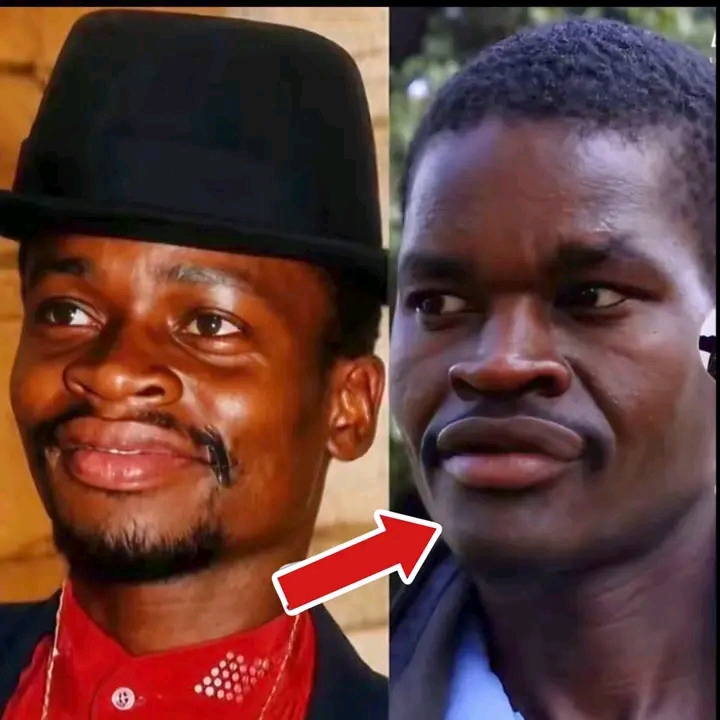
The recent DNA results involving the late Kadongo Kamu musician Paul Job Kafeero have generated widespread discussion across Uganda. According to reports, more than 25 individuals underwent DNA testing after claiming to be his children, but only four were confirmed as biological offspring.
The case highlights an important scientific fact: physical resemblance alone is not proof of biological parenthood.
According to genetics experts, a child may closely resemble the husband of their mother or the man who raised them even when DNA later shows no biological relationship. This can happen due to several factors:



- Coincidence – Unrelated people can naturally share similar facial features such as eyes, noses, smiles, or body structure.
- Behavioral imitation – Children often copy the facial expressions, speech patterns, gestures, and mannerisms of the adults who raise them, creating a strong impression of resemblance.
- Confirmation bias – Once people believe a child resembles a particular man, they tend to notice similarities and ignore differences.
- Shared environment – Diet, lifestyle, grooming habits, and other environmental influences can sometimes make family members appear more alike.
- Inheritance from the mother’s family – A child may inherit traits from the mother’s side that coincidentally resemble those of her husband.
For these reasons, experts emphasize that appearance, family assumptions, and public opinion cannot determine biological parenthood with certainty. DNA testing remains the most accurate scientific method for establishing paternity.
Source: Information compiled from online reports and expert explanations on genetics and DNA testing.