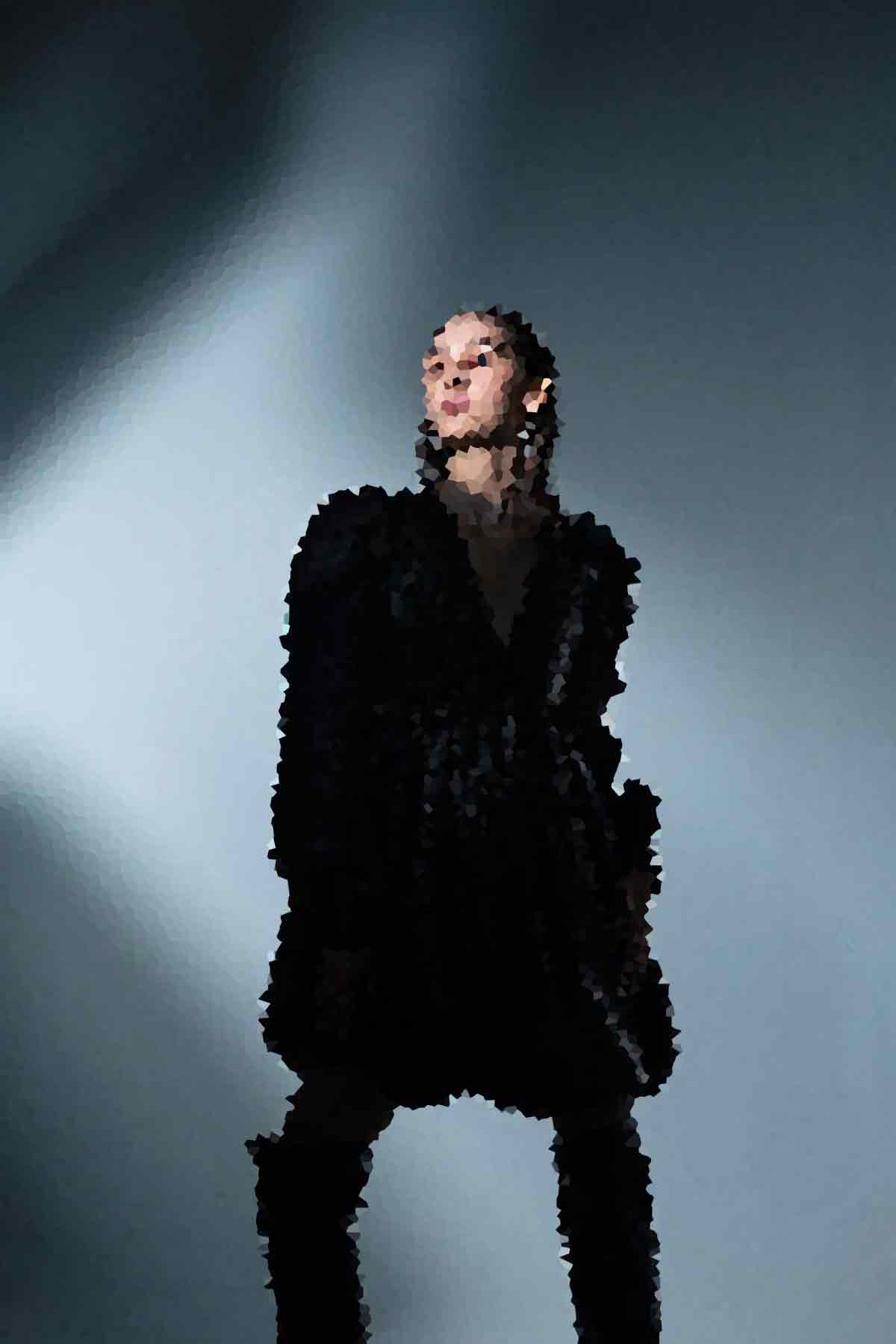





Long before Ray G stepped onto the stage at Kololo Airstrip, it was clear this was not going to be just another Kampala concert.
Buses had made the journey from Western Uganda, carrying fans determined to see their star perform on one of Kampala’s biggest stages. Ray G himself had spent weeks pushing the show across the city, while organiser Abtex Promotions left little to chance in building anticipation.
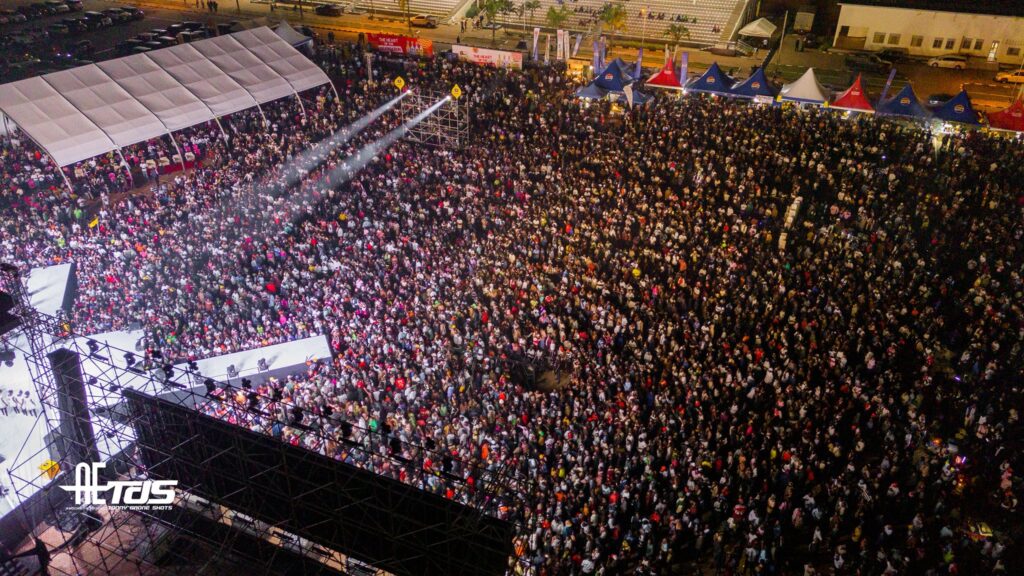
By the time the lights came on, Kololo was ready. And Ray G delivered.
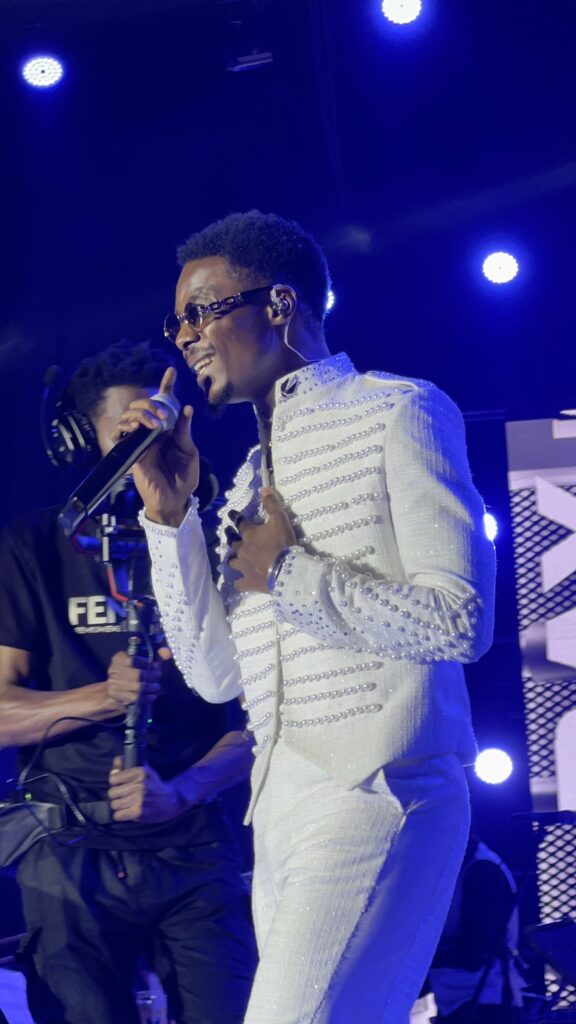
The self-styled “King of the West” turned his Ray G Live in Concert into a celebration of Western Uganda’s music, culture and growing influence while making an important statement about the place of regional music in Uganda’s mainstream entertainment industry.
For an artist whose biggest following has traditionally been concentrated in Western Uganda, filling a major Kampala venue was more than a career milestone. It was proof that an artist can build a strong regional identity without having to abandon it to become nationally relevant.

Ray G’s fourth major solo concert and his biggest Kampala show yet came after a string of successful performances, including last year’s huge Kakyeka Stadium concert in Mbarara.


Moving the concert to Kololo was therefore a gamble—and a statement of ambition. He had something to prove. Judging by the crowd, he did.
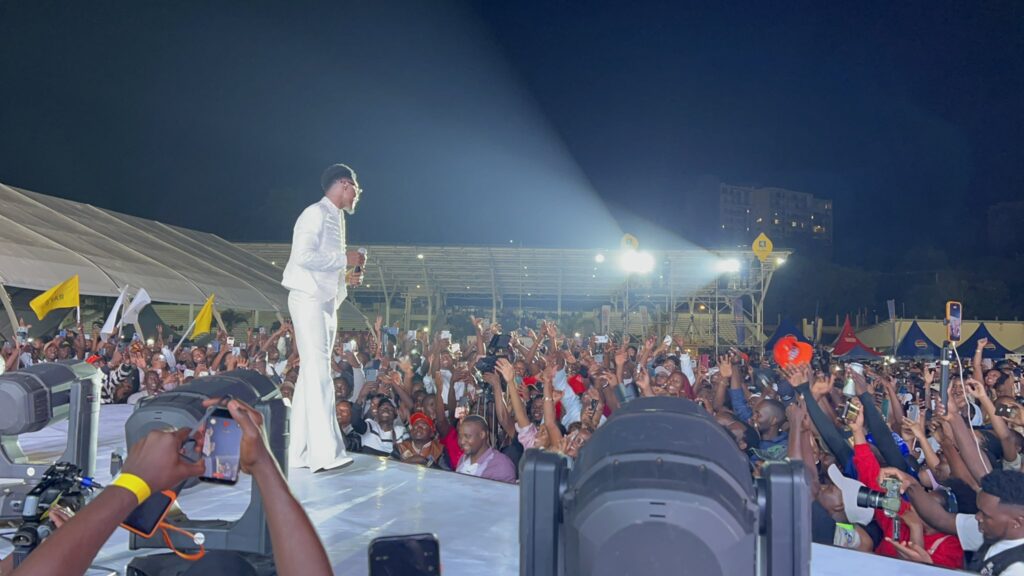
Ray G spent much of the night celebrating the sound that made him a household name in Western Uganda. When songs such as Make a way, Noteera, Weeshe, You and Me, Omusheshe, Eizooba and Yoya came on, the response was immediate, with fans singing along and turning the venue into a giant chorus.
It was perhaps the clearest reminder that music does not always have to be made in Kampala to command a national audience.
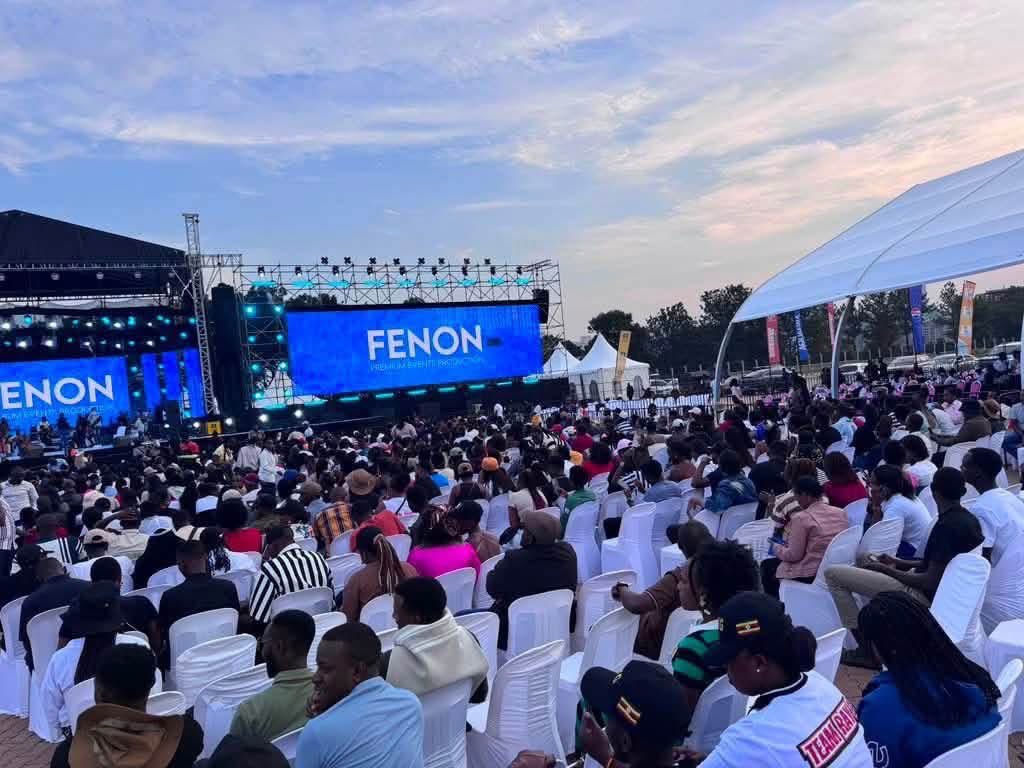
Ray G’s strength has always been his ability to remain rooted in his Runyankore identity while packaging that sound for a contemporary audience. At Kololo, he did not try to hide that identity. He brought it with him—and Kampala embraced it.


The supporting line-up further widened the appeal of the night, with performances from Truth 256, Omega 256, Levixone, Spice Diana, Winnie Wa Mummy, Mudra, T Paul and Feffe Bussi, among others.

But while the artists provided the star power, Fenon Events gave the concert the visual and technical muscle it needed to feel like a major production.
The production company turned the Kololo stage into a spectacle, using sophisticated lighting, a carefully designed stage setup and powerful sound to give the concert a polished, big-event feel.
The lighting was particularly effective, moving with the rhythm and mood of the performances and giving the stage a different character throughout the night. The sound was equally important. Despite the open-air setting, vocals and instruments came through with clarity, allowing fans across the venue to remain part of the show.
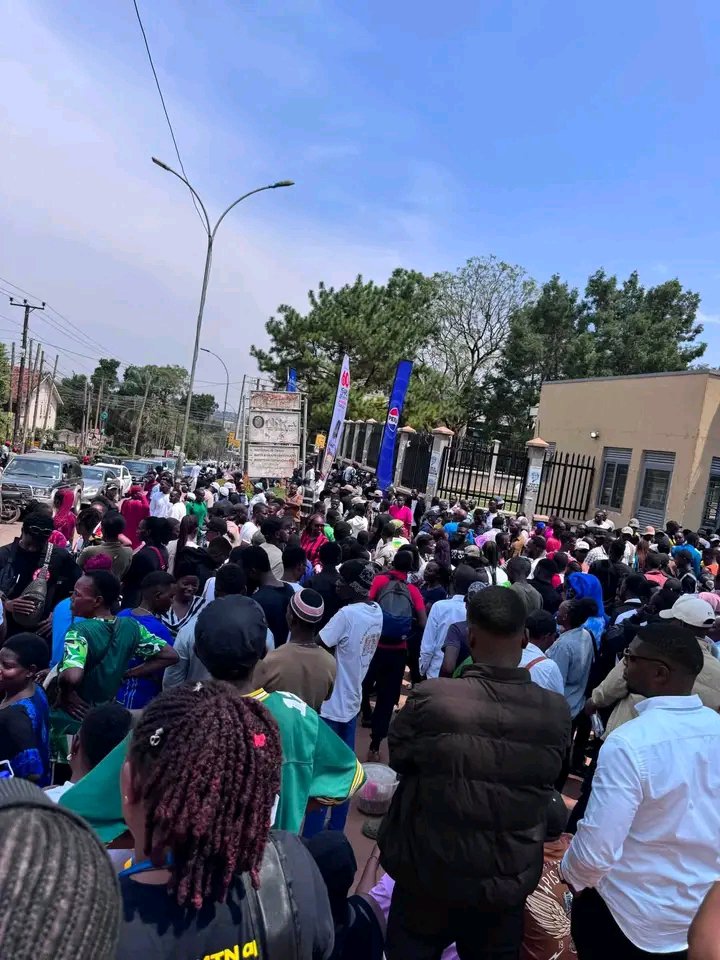
Fenon’s contribution went beyond simply making the concert loud and bright. The production created an environment in which Ray G’s music could breathe and the scale of the occasion could be felt.
For an artist making the jump from a regional stronghold to one of Kampala’s biggest concert stages, that mattered. And perhaps that is the bigger story from Kololo.
For years, Uganda’s music industry has been heavily centred around Kampala, with artists often expected to first establish themselves in the capital before being considered nationally successful. Ray G’s journey offers a different route.
He built his audience in Western Uganda, developed a sound that speaks directly to his cultural roots and turned that regional following into a commercial force.