





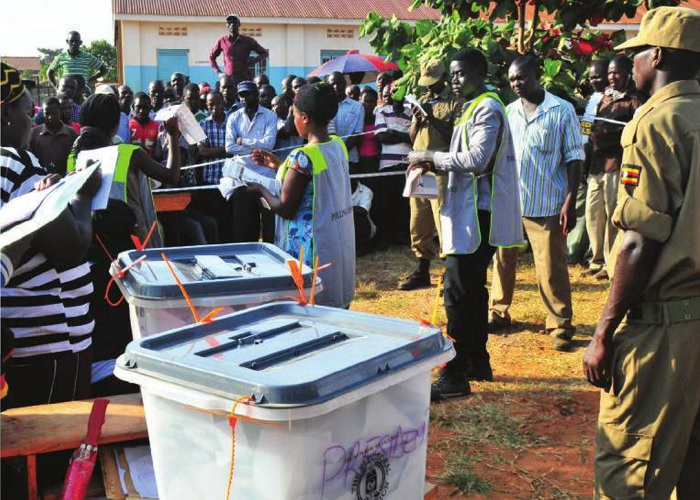
Uganda’s Electoral Commission has announced plans to recruit 142,500 polling officials following the release of UGX 56.9 billion by the Ministry of Finance. The development marks a significant step toward organizing the long-delayed LC 1, LC 2, and Women Council elections across the country.
The funding is expected to facilitate the entire electoral process. It will cover recruitment, training, and deployment of polling officials. Authorities say this move is crucial in restoring grassroots leadership structures that have remained in limbo for years.
Push to Restore Grassroots Leadership Speaking recently, Minister of State for Local Government, Godfrey Kabyanga, confirmed that the elections are expected to take place before June 31.
He noted that the government is committed to ensuring that local governance systems are fully operational again.
“These elections are important for strengthening service delivery at the lowest level,” Kabyanga said. “We want to ensure that every village and parish has legitimate leaders chosen by the people.”



Years of Delays Raise Concern LC 1 and LC 2 elections were last conducted in 2018. Since then, the government has repeatedly postponed fresh polls, citing financial constraints and competing national priorities. The prolonged delay has left many local councils operating without renewed mandates.
Political observers argue that the absence of elected grassroots leaders has affected service delivery and accountability.
In many areas, citizens have been relying on outdated leadership structures that no longer reflect the current population dynamics.
With funding now secured, expectations are high that the Electoral Commission will deliver a credible and timely process.


Citizens across the country are eager to participate and elect leaders who will directly represent their interests at the community level.
The upcoming elections are also seen as a test of the government’s commitment to decentralization and democratic participation. If successfully conducted, they could restore confidence in local governance systems and re-energize community leadership nationwide.