





By Claude Muhi
For years, Moses Ssali, also known as Bebe Cool, has been known primarily for his music, commanding stages and building a career that has made him one of Uganda’s most recognisable entertainers.
From sold-out concerts to chart-topping hits, his voice has shaped pop culture.
But away from the music spotlight, through Volcano Energies- a company he is a co director- the singer is increasingly using his influence to draw attention to another issue with far-reaching consequences for Ugandan households: the transition to clean energy.
His latest engagement with the Kampala Capital City Authority (KCCA) Lord Mayor’s office is part of that emerging role.
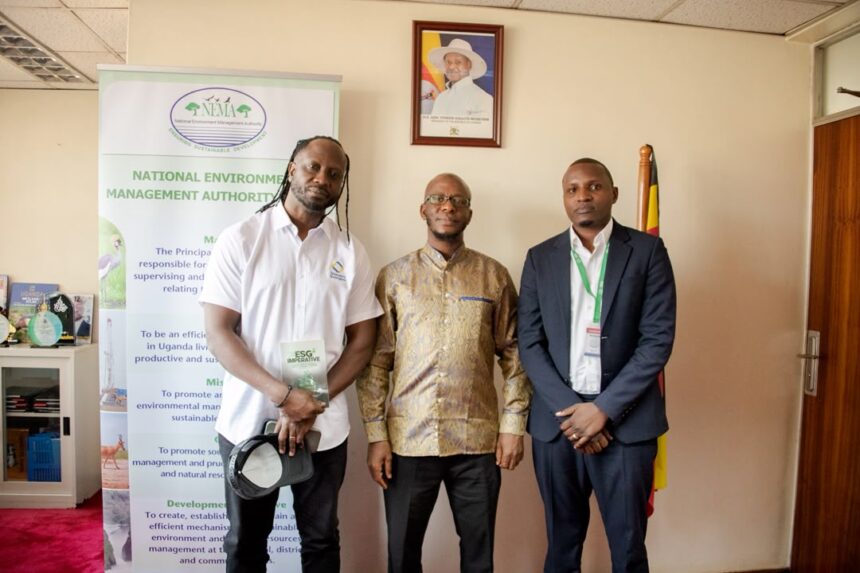
Bebe Cool- with his team- paid a courtesy call to the Lord Mayor as he sought to brief the city leadership on proposals and discussions presented to the KCCA Directorate of Public Health and Education regarding Uganda’s clean energy transition.



At the centre of the engagement is a push for national demand creation and behavioural change to encourage the adoption of Liquefied Petroleum Gas (LPG).
Beyond The Microphone
Bebe Cool’s involvement is significant because energy transition is not simply a question of infrastructure or government policy.
It is also about changing the way ordinary people think about energy and, ultimately, what they choose to use in their homes and businesses.
For decades, firewood and charcoal have remained deeply embedded in Uganda’s cooking culture. For many households, these fuels are familiar, accessible and, in some cases, perceived as cheaper.



Convincing consumers to adopt alternatives therefore requires more than making clean energy available.
It requires awareness, trust, affordability and a change in behaviour.
That is where Bebe Cool’s public profile can become an important tool.
As an entertainer with a large audience, he has the ability to take a subject that may ordinarily be confined to policy meetings and put it into everyday conversations among Ugandans.
His message on clean energy has the potential to reach audiences that may not necessarily engage with technical discussions about energy policy or environmental sustainability.
Turning Influence Into Advocacy
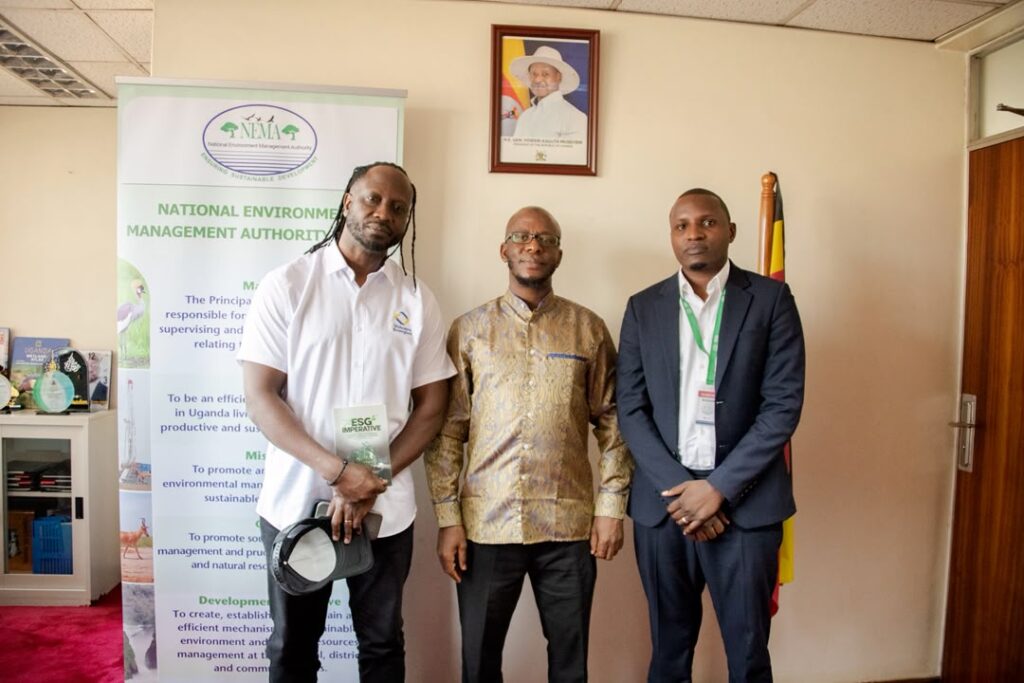
The decision to engage KCCA leadership (and previously National Planning Authority, National Environmental Management Authority) demonstrates an attempt to take the clean-energy conversation beyond publicity and into institutional spaces.
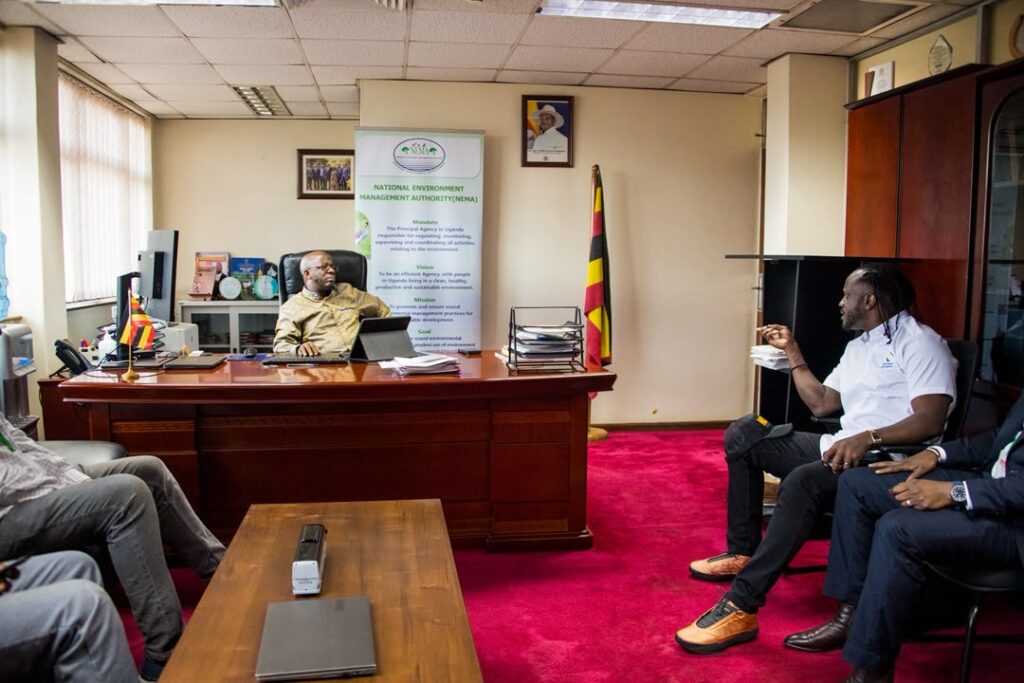
His briefing focused on how national demand for LPG can be created and how behaviour-change campaigns can encourage wider adoption.
This approach recognises a fundamental challenge facing Uganda’s energy transition: people must want to make the switch.
A household that has cooked with charcoal for years may need to understand not only why LPG is considered a cleaner alternative, but also how to use it safely, where to obtain it, how much it costs and whether it can meet the family’s cooking needs.
A public figure such as Bebe Cool can help make those conversations more relatable.
Rather than presenting clean energy purely as an environmental issue, advocacy can connect it to everyday concerns such as household convenience, cooking, health, safety and the future of Uganda’s environment.
Why The LPG Conversation Matters
LPG has increasingly become part of Uganda’s discussion about cleaner cooking.
The shift towards cleaner cooking fuels is important because reliance on traditional biomass fuels has implications beyond the kitchen.
Charcoal production contributes to pressure on forests, while smoke generated by traditional cooking methods can affect indoor air quality.
Uganda’s clean-energy ambitions therefore require a broader transformation in household energy consumption.
But that transformation cannot be achieved by government alone.
It requires participation from the private sector, civil society, local governments, communities and influential voices capable of changing public attitudes.
Bebe Cool’s involvement represents one such attempt to bring popular culture into the clean-energy conversation.
Kampala As A Starting Point
His engagement with KCCA is particularly noteworthy because Kampala is one of Uganda’s largest centres of energy consumption.
The city brings together households, restaurants, schools, institutions and businesses, making it an important market for cleaner cooking solutions.
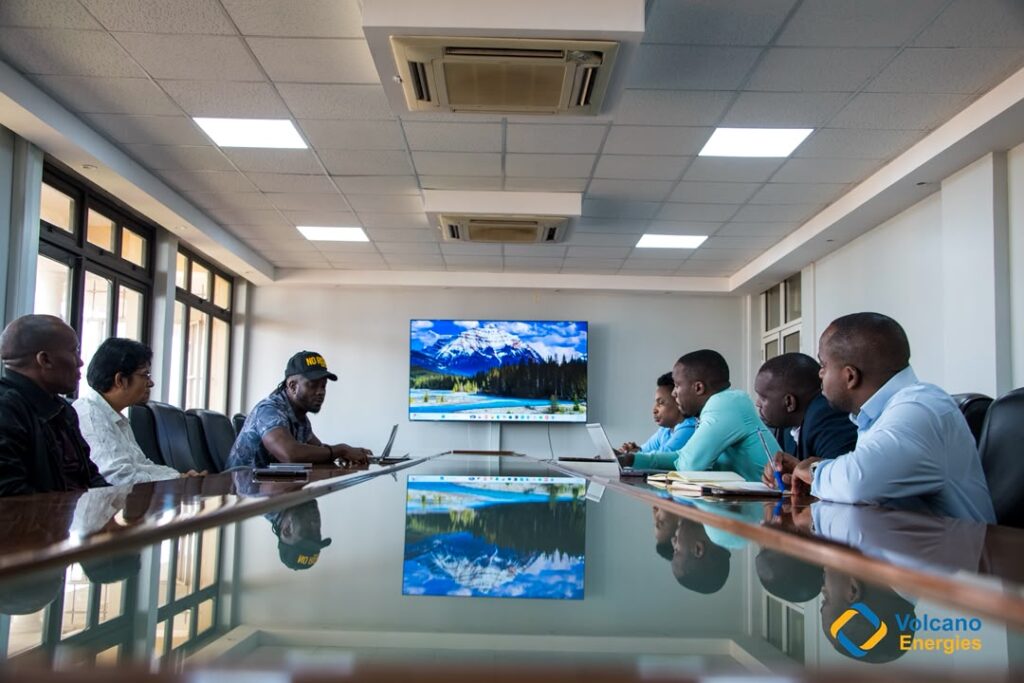
Working with the Directorate of Public Health and Education also gives the campaign a potentially broader public-health and education dimension.
The objective is not simply to tell people to use LPG, but to create understanding around why behavioural change matters and how cleaner cooking can become part of everyday life.
If successfully translated into sustained public awareness campaigns, such efforts could help make clean energy a mainstream conversation rather than an issue discussed mainly by policymakers and energy-sector experts.
The Power Of A Celebrity Message
Bebe Cool’s biggest asset in this campaign may not be his technical expertise in the energy sector.

It is his ability to communicate.
Artists have long influenced fashion, language, lifestyles and social attitudes. Their reach can sometimes take messages into communities that conventional public campaigns struggle to reach.
That influence comes with responsibility.
For clean-energy advocacy to have lasting impact, celebrity messaging must be accompanied by accurate information, practical solutions and credible partnerships.
The role of an artist is therefore not to replace energy experts or policymakers, but to help translate an important national conversation into language ordinary people can understand and engage with.
A New Chapter For Bebe Cool
For Bebe Cool, the clean-energy campaign adds another dimension to a career that has largely been defined by music.
It represents a move from simply entertaining audiences to using his visibility to advocate for a cause with implications for households, public health and the environment.
His meeting with KCCA leadership may have been a relatively brief engagement, but the bigger story lies in what it represents.
Uganda’s energy transition will ultimately be measured not only by government policies, investments or infrastructure, but by whether millions of households actually change the way they cook and consume energy.
And as Bebe Cool steps into that conversation, he is betting that the same influence that can make a song popular can also help make a social message impossible to ignore.
For a country seeking to move towards cleaner energy, bringing that message into popular culture could prove to be an important part of the journey.