





By Our Writer
What started with a young man making videos in Masheruka has grown into a digital platform reaching audiences far beyond Ankole.
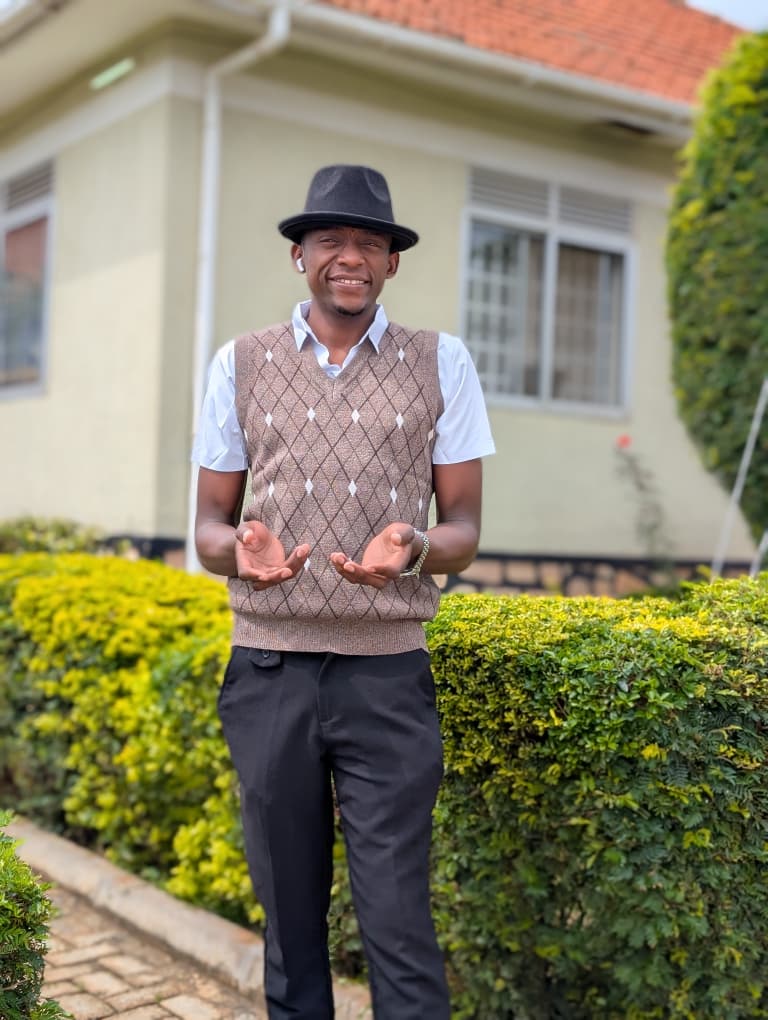
For Abigaba Bless, better known online as Nacho Necha, TikTok has become more than a place to entertain people. It has become a stage from which he is introducing Runyankore and aspects of Ankole culture to audiences across East Africa and beyond.

The Mbarara-based content creator began his content creation journey in 2020, but it was not until he joined TikTok in 2024 that his work began attracting a much wider audience.
A video inspired by Rev. Fr. Mugaiga’s speech, “Abakaturiki itwe nitinywa”, became one of the turning points in his journey.



The video began gaining traction in November 2024, giving Nacho the confidence to take content creation more seriously.
“That video changed things for me. Since then, I have never gone back,” he says.
Turning local identity into digital content
Nacho’s rise is part of a growing shift in how young African creators are using social media to tell stories about where they come from.



Rather than trying to imitate content from larger global markets, he has built much of his online identity around language, humour and experiences familiar to people from Ankole.
“I do Runyankore videos because I love my Ankole language and culture,” he says.
That decision has not limited his audience to Runyankore speakers.
His videos have attracted viewers from Uganda, Rwanda, Kenya, Tanzania and Burundi, creating an audience that extends well beyond the communities where Runyankore is traditionally spoken.
For a creator whose content is rooted in one local language, that reach is significant.
It demonstrates how social media can allow cultural content to cross borders without first being translated into a dominant international language.
The power of being relatable
Nacho’s approach is not built around formal lessons about Ankole culture.
Instead, he uses humour and everyday situations to make his content accessible.
That distinction matters.
For younger audiences, culture is often most engaging when it appears naturally in entertainment rather than being presented as something that belongs exclusively to museums, ceremonies or history books.
A joke in Runyankore, a familiar expression or an everyday Ankole experience can therefore become digital content capable of travelling far beyond its original setting.
The result is a different kind of cultural visibility.
People who already speak Runyankore can see their experiences reflected online, while people unfamiliar with the language can encounter it through entertainment.
Some of Nacho’s viewers have told him that his videos have encouraged them to learn Runyankore or appreciate the language more.
From audience to cultural bridge
For Aine Kamazima, a Runyankore linguist and advocate for the revival and continued use of indigenous languages, creators such as Nacho demonstrate how digital platforms can connect local identity with a much wider audience.
“Language survives through use, and today a significant part of young people’s communication happens online. When Runyankore is used on platforms such as TikTok, it gives young people another space to hear, speak and engage with the language,” Kamazima says.
But the significance of Nacho’s work goes beyond language itself.
His videos create an entry point into Ankole culture for people who may never have visited the region or interacted closely with its communities.
In that sense, the creator becomes a cultural bridge.
A viewer may first come for the humour but stay because of the language, expressions or cultural references.
The challenge of taking local content global
Going global, however, presents its own challenge.
Creators working with indigenous languages must find a balance between remaining authentic to their communities and producing content that can be understood and appreciated by wider audiences.
Nacho’s strategy has been to retain Runyankore as a central part of his content rather than abandoning it in pursuit of a larger audience.
That approach challenges the assumption that creators must switch entirely to English or other widely spoken languages to achieve digital visibility.
His growing audience suggests that local identity itself can become part of the attraction.
A bigger dream
Nacho’s ambitions extend beyond TikTok.
He hopes to become an actor and use the opportunities created by his digital platform to take his work to bigger stages.
At the same time, he wants the culture behind his content to travel with him.
“I want to make Runyankore and Ankole culture move worldwide,” he says.
It is an ambitious goal, but social media has already demonstrated that geographical distance is no longer the barrier it once was.
A creator sitting in Mbarara can reach viewers in Kigali, Nairobi, Dar es Salaam or Bujumbura without leaving his home.
That possibility is changing what it means to create cultural content from outside the world’s major entertainment centres.
The new cultural export
For decades, global audiences often encountered African cultures through television, film, radio, tourism and traditional media.
TikTok is adding another route.
Young creators can now package their language, humour, stories and everyday experiences into short videos and distribute them directly to audiences around the world.
Nacho’s journey shows what that can look like at an individual level.
He started with a phone, a local language and a desire to create.

Now, his audience stretches beyond the place where his story began.
Whether he eventually reaches the international stages he dreams of remains to be seen. But one thing is already clear: the story of Ankole culture is no longer confined to Ankole.
It is appearing on screens far beyond the region, one Runyankore video at a time.